0
0 item
View CartYour cart is empty
MON - FRI 10:00 AM - 06:00 PM EST.
SAT - SUN holiday
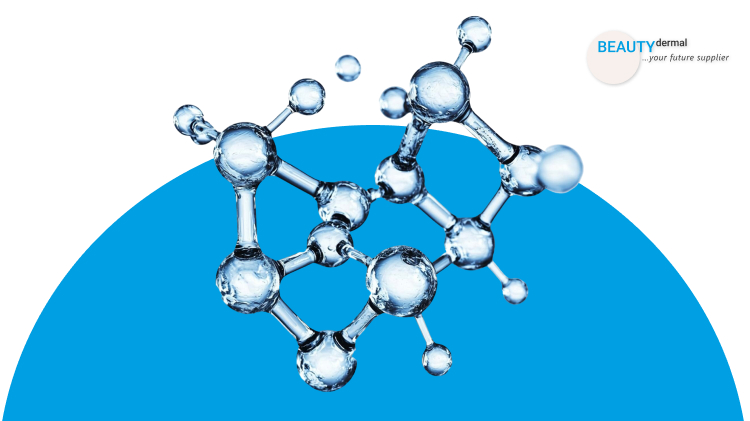
In modern medicine (both aesthetic and traditional), peptides quickly gained an excellent reputation among specialists. Modern clinical trials and scientific research explore their various uses, striving to explore the maximum health benefits that can be obtained from these molecules. Anti-aging properties, body tissues regeneration, hormonal balance, – the list of potential uses is endless.
Peptides are classified by their source, structure, or function, including endogenous (naturally produced) and synthetic (lab-made) types. In this blog post, we’ll explore the main types of peptides to provide a clear understanding of their potential uses.
Even though over 100 peptides are FDA-approved nowadays, some still are not recommended for human use and are intended for research purposes only.
Peptides are strings of amino acids that can both occur naturally in the body (endogenous) and be administered externally (exogenous). They are basically molecules that combine to form proteins, which are crucial for various functions in the human body, such as physical structure and growth, metabolism, muscle contraction, sexual arousal, immune system function, blood oxygenation, etc. Peptides vary in structure from linear, simple chains to complex, circular, or branched structures, impacting their stability and ability to penetrate cells.
To preserve human health and function properly, the body, on average, needs 20 amino acids, but those can combine into thousands of unique sequences that form various peptide bonds that support various body functions. When endogenous peptides are supported by exogenous peptides, the organism obtains more resources to fulfill specific functions.
Different peptides may be categorized differently according to the characteristics that ought to be highlighted. We’ve decided to discuss some common peptide types and the research applications for which they are used.
Some peptides are present in the skin to heal wounds, fight bacteria, and build a stronger skin barrier (such as antimicrobial peptides, or AMPs). The lack or excess of such peptides may cause various skin conditions, including eczema, psoriasis, acne, and others. Healing peptides (or regenerative peptides) promote wound healing, skin repair, and regeneration. They help understand the nature of the body’s restoration of damaged tissues, as well as ways to support and enhance this process.
The most common and beneficial variations are collagen peptides Matrixyl (Palmitoyl Pentapeptide-4) that stimulate collagen production, copper peptide like Copper Tripeptide-1 (GHK-Cu) that’s commonly used to strengthen the skin barrier, and enzyme inhibitor peptides like Trifluoroacetyl Tripeptide-2 that protect collagen and inhibit progerin.
Collagen is a crucial component for this category as well because it acts as a main building block for the skin, muscles, bones, and other connective tissues. As we age, natural collagen production abilities decrease, which is why the skin wrinkles, muscles weaken, and bones and tendons stiffen.
This is why peptides are so popular in cosmetology and dermatology, used to reduce fine lines and wrinkles, as well as improve skin elasticity. Some of the best peptide examples in this category are GHK-Cu (Copper Peptide), which plays an important role in collagen synthesis; Matrixyl (Palmitoyl Pentapeptide-4), studied for signaling fibroblast activity and supporting extracellular matrix production; and Epitalon, a synthetic peptide that is studied for its ability to restore old cells and produce new ones and delay aging. These peptides act as a biological mechanism behind skin regeneration and aging, and are therefore studied to ensure a safe human application in the future.
Peptides for a better cell metabolism regulate appetite and energy balance by mimicking natural peptides that control hunger and insulin function. This way, they promote weight loss. They may also boost muscle growth and repair, especially with creatine and collagen supplements. This category is closely studied by bodybuilders due to it probable ability to stimulate the production and release of human growth hormone (HGH), which may promote fat breakdown and muscle gain.
Growth Hormone Secretagogues are a class of peptides that stimulate the pituitary gland to release growth hormone, which is important for metabolism, muscle development, and fat burning. It requires additional research because, for now, this category is considered unsafe. BPC-157 angiogenic activity and tissue repair. TB-500 (Thymosin Beta-4 fragment) may help enhance muscle mass and play a crucial role in cellular migration and regeneration processes. Another widely studied compound is Semaglutide peptide hormone, known for its GLP-1 receptor activity and its role in glucose regulation pathways; it’s often used to treat people with diabetes who need to lose weight in a safe way.
These specific peptides are the amino acid short chains that operate with the nervous system by influencing brain function and improving mental regulation. They are mainly explored in terms of memory and learning, as well as anxiety regulation.
The most commonly studied peptide is DSIP (Delta Sleep-Inducing Peptide); researchers typically explore how these peptides serve in terms of stress modulation and sleep regulation. Oxytocin is generally studied in behavioral neuroscience to understand the connection between social interaction and stress response. Cognitive enhancement peptides, such as Selank and Semax, are designed to improve focus, memory, and mental clarity, and may also help with anxiety and mood regulation.
Peptide treatments may be classified by their potential applications, but they can also be classified by how they are produced. Therapeutic peptides are often administered via injection because they degrade easily in the digestive tract and have low bioavailability when taken orally. We will discuss the main points below.
Bioactive peptides, which can be derived from dietary sources like eggs, soy, and dairy, are believed to have various health benefits, including antimicrobial and antioxidant properties. Generally, two production techniques are used for bioactive peptides: enzymatic hydrolysis and microbial fermentation. Both of them have the same working principle, as they break proteins down into smaller peptides or individual amino acids. Although their effectiveness can be limited by digestion and absorption barriers, some peptides, including collagen and GHK-Cu, show better bioavailability and practical use.
Synthetic peptides are engineered in laboratories to imitate the structure and function of natural peptides in the body. This approach has enabled the development of important peptide-based drugs such as semaglutide, tirzepatide, and tesamorelin. However, their production is generally more practical for shorter peptide chains, since longer sequences are harder to manufacture at scale.
Recombinant peptides combine biology and biotechnology: they are made by inserting peptide-coding DNA into cells so the cells produce the desired peptide. This approach is especially useful for longer therapeutic peptides, including chains over 50 amino acids. Although setup can be expensive, recombinant production can become more efficient at larger scales.
The short answer is no. Even though both peptides and steroids are often used for the same goals (for example, building muscles or losing weight), they achieve desired results through different processes. They are also built differently: while peptides are chains of amino acids, steroids are ring-shaped fatty molecules. Peptides also tend to be safer, with minimal risk of experiencing adverse effects. In addition, steroids are regulated by government agencies and are banned for athletes’ competitions, but peptides are usually widely available.
As peptides are involved in numerous processes in our bodies, adverse reactions may depend on the type of product used, the way it’s used, and other important factors. They are generally considered safe, but potential risks should be evaluated before deciding to work with the product.
It is true that in recent years the FDA has removed many peptides from the approved list and tightened the regulations. There are a few reasons for that: quality control concerns, misuse concerns, the need for longer clinical trials, etc. However, research into technologies and formulas is ongoing, with the main goal of developing the best possible options for public use. The products that are already in stock are safe and legit, available for board-certified professionals to buy for research purposes.