0
0 item
View CartYour cart is empty
MON - FRI 10:00 AM - 06:00 PM EST.
SAT - SUN holiday
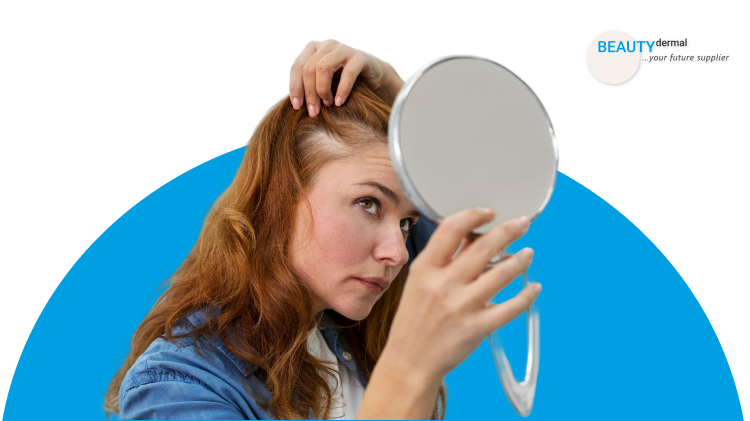
Tirzepatide has quickly become one of the most discussed injectable medications in modern metabolic care. While many patients and specialists have focused on its effects on chronic weight management and blood sugar control, another question has started appearing more frequently: Does Tirzepatide lead to hair loss?
The short answer is that hair loss is not considered one of the most common direct effects of Tirzepatide. However, some people using Tirzepatide have reported increased shedding, and there are several possible reasons why this may occur. Understanding the relationship between Tirzepatide, rapid weight changes, nutrition, and the natural hair growth cycle can help medical specialists better guide their patients.
A Safety Note:
Many peptides and peptide-based products available online are sold for research purposes only and are not intended for human use unless they have been appropriately approved, tested, and supplied through legitimate medical channels. Medical professionals should always verify product quality, regulatory status, and appropriate patient use.
Tirzepatide is an injectable medication designed to influence two important hormone pathways involved in metabolism: glucose-dependent insulinotropic polypeptide (GIP) and glucagon-like peptide-1 (GLP-1). By activating these pathways, Tirzepatide can support improved blood sugar regulation, reduced appetite, and changes in energy balance.
Because of these effects, Tirzepatide has gained significant attention among healthcare providers treating patients with metabolic conditions and those seeking medically supervised weight management solutions.
Its popularity has also led to growing interest in possible side effects. While common effects often relate to the digestive system, such as nausea, reduced appetite, or changes in bowel habits, some users have raised concerns about changes in hair density or increased shedding. To understand whether Tirzepatide itself causes hair loss, it is important to look beyond the medication alone.
Current evidence does not suggest that Tirzepatide directly damages hair follicles or causes permanent hair loss. Instead, reported cases of hair shedding are more likely connected to changes that may happen during treatment, particularly significant and rapid weight loss. One of the most common explanations is a condition called telogen effluvium. This temporary form of hair shedding occurs when a larger-than-usual number of hair follicles enter the resting phase of the hair follicle activity cycle. Normally, hair grows through several stages:
When the body experiences physical stress, major dietary changes, illness, hormonal fluctuations, or rapid weight reduction, more hairs can prematurely enter the telogen phase. Several months later, noticeable shedding may occur. For some patients using Tirzepatide, the trigger may not be the medication itself but the body’s response to accelerated weight loss or reduced calorie intake.
Significant weight reduction can create temporary stress on the body. Hair follicle activity is not an essential survival function, so during periods when the body is adapting to major changes, resources may be redirected toward vital processes. Patients using Tirzepatide may experience:
Protein is especially important because hair is primarily made of keratin, a structural protein. If a person does not consume enough protein during a period of weight reduction, the body may temporarily reduce resources available for hair production.
Nutrients commonly associated with healthy hair follicle activity include:
A balanced nutritional approach can be an important part of supporting patients throughout their Tirzepatide journey.
Note:
While temporary hair shedding associated with weight changes may occur during Tirzepatide treatment, it is important to distinguish this from male or female pattern hair loss (androgenetic alopecia). Unlike telogen effluvium, which is usually temporary and linked to physical stress or lifestyle changes, pattern hair loss is a progressive condition influenced mainly by genetics and hormonal sensitivity. It typically appears as gradual thinning in specific areas, such as the hairline, crown, or overall scalp, and may require targeted evaluation and treatment. Patients experiencing persistent or progressive hair thinning should consult a qualified healthcare professional to determine the underlying cause and appropriate management approach.
Hair shedding is not among the most frequently reported adverse effects of Tirzepatide. The most commonly discussed side effects are typically gastrointestinal, including nausea, vomiting, diarrhea, constipation, and reduced appetite.
However, hair changes have been reported among some individuals using GLP-1 medications and among patients experiencing significant weight loss (mainly because of not eating significantly). Because these treatments often lead to substantial changes in eating patterns and body weight, it can sometimes be difficult to determine whether the medication, weight loss itself, or another factor is responsible.
In most people, individual responses vary widely. Some patients may notice increased shedding, while others experience no noticeable hair changes at all.
For most patients, hair shedding associated with rapid weight loss is a temporary condition that might last from several weeks to a few months (up to six months on average). When the body adjusts and nutritional intake stabilizes, normal hair growth patterns often return. Telogen effluvium typically improves gradually. Because hair grows slowly, patients may need to wait several months before seeing noticeable improvement. A healthcare professional may recommend evaluating:
It is also important to remember that hair loss has many possible causes. Genetics, thyroid disorders, hormonal changes, stress, certain medications, and autoimmune conditions can all contribute to shedding or thinning hair.
Note:
In the tirzepatide clinical trials, hair loss was reported far more often in female than in male patients — 7.1% versus 0.5% in the treatment group, against 1.3% versus 0% on placebo. The prescribing information notes that these reactions were associated with weight reduction rather than with the medication itself, and no tirzepatide-treated patient discontinued treatment because of hair loss. Hair recovery typically occurs within 6 to 12 months.
Healthcare providers using Tirzepatide as part of a treatment plan can help patients reduce concerns about hair changes by taking a comprehensive approach. Some supportive strategies may include the ones below.
Patients should be reminded that weight management is not only about reducing calories. The quality of nutrition matters. Namely, it is important to prioritise protein, vitamins, minerals, and hydration to support the overall health during therapy, up until weight stabilises.
Rapid weight reduction may increase the likelihood of temporary shedding. A medically supervised approach can help patients achieve sustainable progress while maintaining nutritional balance. It is recommended to aim for 1-2 pounds of weight loss per week.
Patients who notice increased hair shedding may become anxious and consider stopping therapy. Clear communication about possible causes, expected timelines, and evaluation options can help maintain confidence and adherence.
Every patient has a unique health profile. Specialists should consider factors such as previous hair loss, nutritional status, hormonal health (especially ferritin levels), and other medications when evaluating hair-related concerns.
Although there is no guaranteed method to prevent all temporary shedding (including both severe and patchy hair loss), several lifestyle factors can contribute to healthier hair. Patients may benefit from:
It is important to avoid assuming that every case of hair loss is caused by Tirzepatide. A proper assessment can help identify the real cause and determine the most appropriate solution.
Note:
To maintain an adequate protein intake, a patient should aim for 60 to 100 grams of protein daily.
So, does Tirzepatide lead to hair loss? The answer is more complex than a simple yes or no. Tirzepatide is not generally considered a direct cause of permanent hair loss, but some patients may experience temporary shedding due to rapid weight loss, reduced calorie intake, nutritional changes, or the body’s adjustment to treatment. With careful monitoring, balanced nutrition, and professional guidance, many patients can successfully continue their therapy while managing temporary hair-related concerns.
Certified medical specialists looking for reliable access to Tirzepatide and other peptide products can safely purchase through BeautyDermal, a trusted source for professional-use aesthetic and medical supplies. By prioritizing quality products and responsible medical practice, specialists can continue providing patients with informed, safe, and effective care.
No. Current evidence does not show that tirzepatide damages hair follicles or causes permanent hair loss. The prescribing information notes that reported hair-loss reactions were associated with weight reduction rather than with the medication itself. Most cases fit telogen effluvium, a temporary shedding pattern triggered by rapid weight change, reduced calorie intake, or physiological stress.
In the clinical trials, hair loss was reported by 7.1% of female and 0.5% of male patients receiving tirzepatide, compared with 1.3% and 0% on placebo. It is not among the most frequent adverse effects — gastrointestinal reactions such as nausea, vomiting, and reduced appetite are reported far more often. No treated patient discontinued therapy because of hair loss.
For most patients the shedding is temporary. Acute telogen effluvium usually lasts less than six months, and regrowth typically becomes visible within 6 to 12 months once weight and nutritional intake stabilise. Because hair grows slowly, patients often need to wait several months before improvement is noticeable, which is worth explaining upfront.
Aim for a gradual rate of weight loss, around 1 to 2 pounds per week, and keep protein intake adequate at roughly 60 to 100 grams daily. Monitor iron, ferritin, zinc, and vitamin D status, address patient concerns early so anxiety does not lead to stopping therapy, and rule out other causes such as thyroid disorders or androgenetic alopecia before attributing shedding to tirzepatide.