0
0 item
View CartYour cart is empty
MON - FRI 10:00 AM - 06:00 PM EST.
SAT - SUN holiday
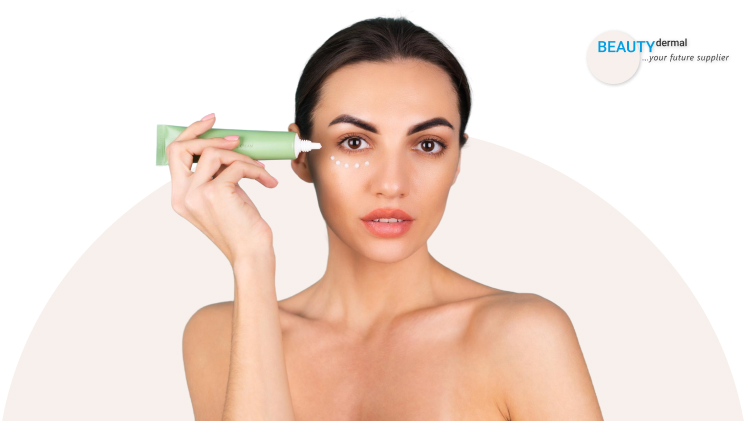
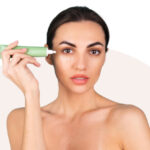
Skin around the eyes is among the thinnest on the body, which is why it shows structural ageing before anywhere else. Crepey texture is one of the earliest signs: a fine, crinkled surface that makes the eye area read as tired even when the rest of the face has aged well.
It is also one of the most commonly mistreated concerns, because the obvious intervention, filler, addresses volume rather than skin quality. This article separates the two and sets out which treatments match which presentation.
Note:
Crepey skin is not dehydration. Dehydrated skin feels tight or flaky and responds to barrier support and moisturisers. Crepey skin reflects loss of collagen and elastin in the dermis, and topical care alone will not reverse it.
Crepey skin has a finely crinkled appearance, often compared to crepe paper. It can affect the upper lid, the lower lid or the skin directly beneath the eye, and because this region drives so much of facial expression, texture changes here carry disproportionate weight in how the whole face reads.
It should also be distinguished from dynamic rhytides. Crow’s feet form from repeated muscle action and follow predictable lines at the outer canthus. Crepey texture is diffuse rather than linear, which is exactly why a neuromodulator alone rarely resolves it.
The decisive question is not which treatment is strongest but what is actually driving the appearance in front of you. The table below maps presentation to approach.
| Dominant problem | What to consider | What it does not fix |
|---|---|---|
| Hollowing with shadow | Hyaluronic acid filler placed deep in the tear trough | Skin texture or laxity |
| Thin, dehydrated, poor-quality skin | Skin boosters, injectable hyaluronic acid for skin quality | Structural volume deficit |
| Fine crepey texture, early laxity | Polynucleotides, biostimulatory approaches | Significant hollowing |
| Moderate laxity | Radiofrequency microneedling | Volume loss, deep static folds |
| Dynamic lines at the outer canthus | Botulinum toxin | Crepey texture itself |
A multispecialty systematic review of recent under-eye treatments concluded that outcomes depend on matching modality to the underlying cause, with filler, energy-based devices and injectable biostimulators addressing different components of periorbital ageing (Beer et al., Dermatologic Surgery, 2026).
Where crepiness is amplified by a hollow tear trough, restoring support can soften both the shadow and the folding above it. Products formulated for this region, such as Restylane Eyelight or the softer gels in the Belotero range, are chosen for low viscosity and tissue integration rather than lift.
What filler delivers here:
What it does not deliver is improved skin quality, and this is where the region punishes overtreatment. The infraorbital area is unforgiving: product placed too superficially produces a bluish Tyndall effect, and the thin skin and poor lymphatic drainage make prolonged oedema a recognised complication. Conservative volumes and deep placement are the standard precautions, and our article on pillow face covers where incremental overcorrection leads.
The US regulator is explicit that this region sits outside approved use. Among the injections the FDA recommends against are those that “inject the glabella (area between eyebrows), nose, periorbital area (around the eyes), forehead, or neck” (U.S. Food and Drug Administration, Dermal Fillers (Soft Tissue Fillers)). Tear trough treatment is therefore an off-label practice, performed on clinical judgment rather than on an approved indication, and that belongs in the consent conversation.
Infraorbital hyaluronic acid filler carries a characteristic set of aesthetic complications, including persistent swelling and Tyndall discoloration, most of which trace back to product selection and placement depth rather than to the patient (Siperstein, Aesthetic Surgery Journal Open Forum, 2022).
Injectable hyaluronic acid formulated for skin quality rather than volume, such as Profhilo or Juvederm Skinvive, works through hydration and stimulation of the dermal matrix instead of filling a defect.
Reported effects include improved hydration, better elasticity and smoother texture, developing gradually across a treatment course rather than immediately. This group suits early to moderate crepiness, particularly where dehydration is exaggerating the texture, and it sits naturally in the mesotherapy side of a clinic’s offering.
Polynucleotides have moved quickly into periorbital practice because they target exactly what filler cannot: the quality and resilience of thin skin. Rather than adding volume, they support fibroblast activity and dermal repair.
A clinical evaluation of a regenerative complex combining non-cross-linked hyaluronic acid with high-molecular-weight polynucleotide for periorbital treatment reported improvement in skin quality parameters in this region specifically, which is more useful evidence than extrapolation from facial studies. A course of sessions is standard, and results accumulate rather than appearing at once.
Radiofrequency microneedling delivers controlled thermal energy into the dermis, driving collagen remodelling and tightening over subsequent months. A prospective clinical study of the periorbital region reported rejuvenation outcomes with this approach, positioning it as a reasonable option for mild to moderate laxity where the patient wants less downtime than ablative resurfacing demands.
Improvement is progressive, typically continuing for several months after the final session, which should be stated clearly at consultation so patients do not judge the result at two weeks.
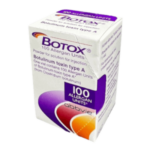
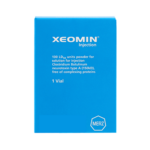
Botulinum toxin does not treat crepey skin. What it does is reduce the repeated muscle action that deepens crow’s feet, and in appropriate patients it produces a subtle brow and periorbital opening that makes the area look more rested.
Used alongside a skin-quality treatment it is a sensible combination; used instead of one it will disappoint. Clinics comparing products across the category can review the botulinum range, and our Nabota vs Dysport comparison covers two of the common choices.
Note:
Combination protocols are now the norm in this region rather than the exception, since volume, skin quality and muscle activity usually coexist. Our overview of aesthetic combination treatments covers how these are sequenced.
Photoprotection remains the single most effective measure, because ultraviolet exposure drives collagen degradation independently of age. Consistent sun protection, smoking cessation and adequate sleep will not reverse established crepiness, but they determine how fast it progresses after treatment.
The American Academy of Dermatology puts the ceiling on topical treatment plainly: “the results you see from a skin-firming cream will be subtle at best”, because a cream cannot reach the depth at which the change occurs.
Topical care supports the skin barrier and the result of injectable work. It does not substitute for it, and patients should hear that plainly rather than discovering it after six months of eye cream.
Loss of collagen and elastin in skin that is already among the thinnest on the body. Photoageing accelerates it through a separate mechanism from chronological ageing, and loss of infraorbital volume removes the scaffold the skin sits on, so the surface begins to fold.
No. Topical products support the skin barrier, improve hydration and can make very superficial texture look better, but crepiness reflects structural change in the dermis. Creams are a useful adjunct to injectable or energy-based treatment, not a replacement for it.
Only when hollowing is the dominant problem. Hyaluronic acid filler restores volume and softens shadow; it does not improve skin quality or texture. Where thin, crepey skin is the main concern, skin boosters, polynucleotides or radiofrequency microneedling address the actual deficit.
Typically around nine to eighteen months depending on the product, placement depth and individual metabolism. Superficial placement in mobile tissue tends to resorb faster, and the infraorbital region is one where conservative volumes and review appointments matter more than longevity claims.
Prolonged swelling and bluish Tyndall discoloration are the characteristic complications, and both usually trace back to product choice and placement depth rather than to the patient. Hyaluronidase should be immediately available whenever hyaluronic acid is injected in this region.
Not directly. It reduces the muscle activity behind crow’s feet and can open the periorbital area subtly, which improves how the region reads overall. Crepey texture itself needs a treatment aimed at skin quality or dermal remodelling.